What Is the Oldest Idea Behind Coin Operated Entertainment?
Coin operated devices—those captivating mechanical amusements that have punctuated our leisure time for well over a century—trace their origins back to some surprisingly ancient ideas. Beneath the blinking lights and digital sounds of today’s slot machines lies a lineage rooted in humanity’s enduring fascination with automation, chance, and entertainment.
In this deep dive, we unravel the oldest concept behind coin operated entertainment, charting its course from the early automation history associated with the Hero of Alexandria to the familiar fruit and BAR symbols that define modern slot machines. Along the way, we examine the mechanics that made coin operation possible, the readable outcomes of spinning reels, and the pivotal transition to electromechanical games delivering bigger payouts.
Automation via Coin Mechanisms: The Seed of Coin Operated Devices
Before we had flashy electronic slots or sophisticated video reels, the core idea behind coin operated entertainment was, at heart, a simple one: insert a coin to trigger an automated process that entertains or rewards you.
This concept resonates with one of the earliest inventors linked to automation history— Hero of Alexandria—who lived in the 1st century AD. While he didn’t invent coin operated machines per se, many credit him with laying the groundwork in automation mechanics:
- Hero’s Automata: Hero designed intricate devices powered by steam, water, and mechanical systems that performed repetitive actions automatically.
- Self-acting Mechanisms: Examples include coin-operated holy water dispensers, which released a measured amount of water when a coin dropped in—arguably one of the earliest recorded coin operated devices.
These ancient mechanisms demonstrated that a physical input (a coin) could initiate a process without human intervention beyond the initial action. The idea that a coin could unlock a sequence of entertaining or rewarding mechanical actions is the oldest principle uniting all coin operated entertainment devices.
What Stayed the Same—and What Changed
What remains unchanged is the user's role: invest a coin to trigger an automated system. What gradually evolved, starting centuries later, was the complexity and purpose of these mechanisms—from dispensing holy water to delivering moments of chance, skill, or reward.
Readable Outcomes and the Three-Reel Template
Jumping ahead past centuries of innovation to the late 19th and early 20th centuries, coin operated devices began focusing on randomness and visual outcomes—especially within gambling’s realm. Slot machines became a standout example.
The three-reel slot template was pivotal. Prior to this, many mechanical amusements either didn’t have randomness or produced results that were harder for players to interpret quickly.
- Three Reels: The mechanism created independently spinning reels with symbols that lined up in clear, readable combinations visible to the player.
- Transparent Outcome: Players could immediately assess if they won and by how much based on recognizable patterns of symbols.
- Standardization of Play: This format allowed for standardized payouts and rules, fostering trust and repeat play.
This combination of clear visibility and reliable randomization became the blueprint not just for slots, but also for many https://xn--toponlinecsino-uub.com/can-you-explain-paylines-in-plain-english/ subsequent coin operated entertainment devices with payoff structures.
Iconography: Fruit and BAR Symbols
Of course, no exploration of coin operated devices is complete without mentioning the most iconic symbols that define slot machines—the fruit icons and the BAR symbol.
Here’s an overview:
Symbol Origin/Meaning Why It Endured Cherries, Lemons, Oranges, Plums Early slot machines used fruit icons as a playful and eye-catching replacement for traditional card suits. Bright colors and easy recognition made them perfect for attracting players at a glance. BAR Symbol Originally linked to the Bell-Fruit Gum Company’s logo, which used a “bar” as a trademark. It became an enduring symbol for a moderate payout and was instantly recognizable, bridging marketing and gameplay.Importantly, these icons have persisted from the mechanical days through today's digital slots because they provide instant visual cues. This speaks again to the value of readable outcomes—players don’t have to decode complex symbols to understand if they've won.
Electromechanical Transition and Bigger Payouts
The shift from purely mechanical to electromechanical machines in the mid-20th century marked a revolution for coin operated entertainment.
Here’s what changed:
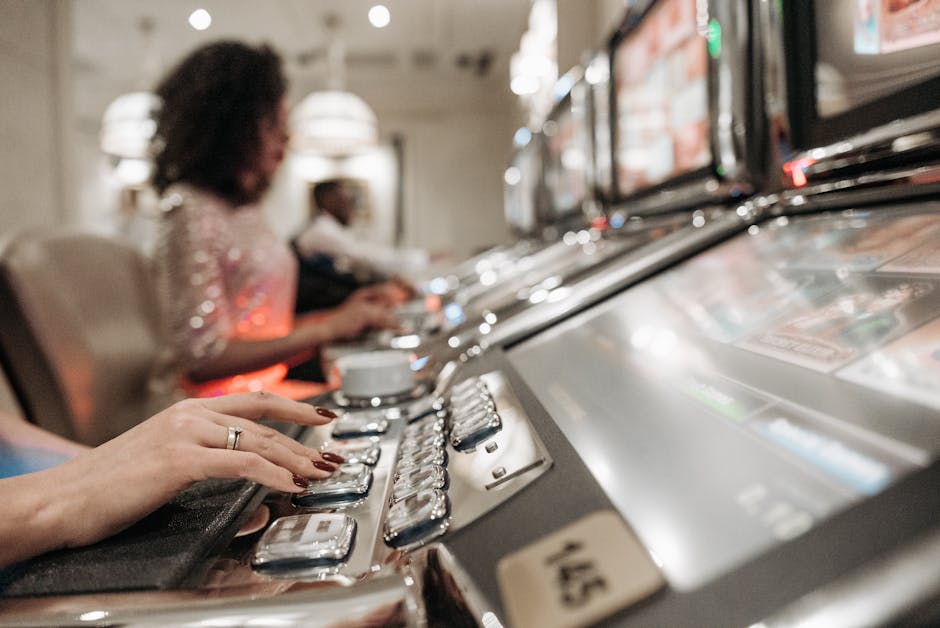
- Increased Reliability: Electric motors replaced purely mechanical gears and springs, reducing jamming and wear.
- Expanded Payout Options: Electrification allowed for more complex payout systems, bigger jackpots, and multiple lines of winning combinations.
- Enhanced Player Experience: Lights, bells, and sounds could be controlled electrically, signaling wins more dramatically and attracting more players.
Many players nostalgic for the mechanical sounds and clicks often overlook how the electromechanical era preserved the core idea from the earliest coin operated devices—input a coin, get a transparent outcome—while vastly increasing scale and excitement.
Modern Legacy
Today’s digital and video slots owe their existence to these evolutionary steps. The basic ideas—triggering an automated mechanism with a coin (or token), providing instant and readable outcomes via spinning reels or their digital equivalents, and using familiar symbols to communicate value—remain central themes.
Conclusion: The Oldest Idea in Coin Operated Entertainment
Tracing back from Hero https://reliabless.com/why-were-early-online-slots-so-basic-looking/ of Alexandria’s automation marvels to the vivid reels of modern slot machines, the oldest idea behind coin operated entertainment is simple and profound: leveraging coin input to trigger an automated sequence that provides immediate, readable outcomes for the user’s entertainment or reward.
This principle has stood firm through centuries:
- Ancient automation laid the mechanical groundwork.
- Early coin mechanisms introduced payment-triggered operation.
- Readable outcomes via three reels standardized clear results.
- Iconic fruit and BAR symbols enhanced instant recognition and appeal.
- Electromechanical enhancements brought bigger payouts and theatrical player experiences.
The evolution reflects improvements in technology and player experience without ever abandoning those foundational ideas. In a world awash with flashy new games and buzzwords, it’s refreshing to see how much today’s coin operated games owe to roots stretching back nearly two millennia.