Is It Worth Betting a Steep Favorite in MMA When One Counter Can End It?
A steep favorite can be the likeliest winner in an MMA fight and still be a bad bet. That distinction matters most when one clean counter, one scramble, or one poorly timed entry can erase several minutes of control. The question is not simply, “Who wins?” It is, “Does this price pay enough for the risk I’m taking?”
That is the difference between picking winners and betting value. A favorite at -500 may win most of the time, but the moneyline asks you to risk a lot to collect a little. If the favorite’s real chance is lower than the price implies, backing them is a negative-value bet—even if they win this particular fight. And if the underdog’s chance of landing a fight-ending shot is being dismissed by the market, the upset price may be worth a closer look.
There is no universal rule that says never bet a big favorite. But in a sport where a single exchange can flip a fight, steep favorite risk deserves more than a quick glance at rankings or a highlight reel. The disciplined approach starts with implied probability, accounts for the vig, compares the opening and fight-week prices, and leaves room to pass.
Picking the Likely Winner Is Not the Same as Finding Value
Suppose a fighter is listed at -500. The standard implied-probability calculation for negative American odds is: odds divided by odds plus 100. At -500, that is 500 / 600, or 83.3%. The bet is priced as though the favorite wins more than five times out of six, before accounting for the sportsbook’s margin.
That number is a starting point, not a prediction. It does not mean the fighter has exactly an 83.3% chance of winning. It tells you what probability the price represents. Your job as a bettor is to estimate whether the true probability is higher or lower—and to be honest about how uncertain that estimate is.
For example, if you believe the favorite has a 78% chance to win, -500 is not a bargain. The favorite may still be the more likely winner, but the price requires a higher win rate than your estimate supports. If you believe the favorite’s chance is 88%, the price might have value in theory. But that assessment needs to survive a realistic review of the matchup, not just confidence in the favorite’s name.
Moneyline Raw implied probability What to ask -300 75.0% Is the favorite’s true chance meaningfully above 75%? -500 83.3% Can the favorite win often enough to justify the low return? +350 22.2% Is the underdog’s upset chance greater than roughly one in five?Those are raw break-even figures. A sportsbook’s vig means both sides’ implied probabilities usually add up to more than 100%. That excess is the bookmaker’s margin. To compare the market’s estimates more fairly, calculate both sides’ implied probabilities and normalize them so they total 100%. The resulting no-vig probabilities still are not guaranteed to be correct, but they offer a cleaner reference point than treating either posted number as an objective truth.
Why One-Punch Variance Changes the Favorite’s Price
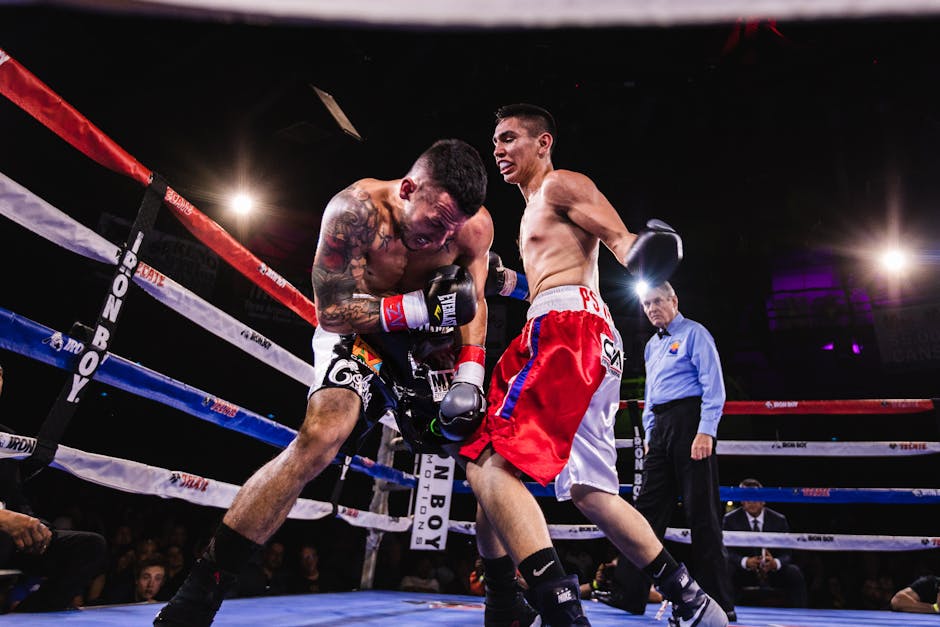
MMA is not a sport where a favorite can always bank a lead and wait out the clock. A fighter can control range, win minutes, and still lose to a single clean strike. That is the uncomfortable math of one punch variance: the underdog may be outmatched across much of the fight while retaining a meaningful route to a sudden finish.
That route is not limited to a knockout. A guillotine during a takedown, a scramble into back control, a cut that changes the fight, or a compromised leg can alter the result quickly. “The favorite is better everywhere” is not enough on its own. Ask how the favorite gets to their expected win condition, and what the opponent can do in the moments when that plan is most vulnerable.
Matchup details that matter more than reputation
- Defensive habits: Does the favorite exit exchanges with their hands low, retreat in straight lines, or rely on a chin that has already been tested?
- Entry risk: Does the favorite need to cross dangerous striking range to wrestle or close distance?
- Recovery and durability: Has the favorite shown reliable recovery after being hurt, or is that an assumption based on limited evidence?
- Fight length: Can the underdog remain dangerous late, or does the favorite’s pace and control reduce the upset routes over time?
- Opponent quality: Are recent performances against comparable competition, or do the records flatter one fighter?
These questions help define an mma upset chance without pretending every underdog is live in the same way. A low-output opponent with little path to a finish may not deserve much credit simply because MMA is unpredictable. Conversely, a dangerous counterstriker facing a favorite who must pressure recklessly could have a more credible upset route than the moneyline suggests.
When a Steep Favorite Might Still Be Worth Betting
A big favorite is not automatically a bad wager. The price can be justified when the matchup sharply limits the opponent’s routes to victory. Perhaps the favorite has a substantial wrestling advantage, can hold position without taking major risks, and faces an opponent with weak takedown defense and limited get-up ability. Or the underdog’s best weapon may be neutralized by the favorite’s footwork and defensive reactions.
Even then, the key is the gap between your estimated probability and the market’s. If -500 implies 83.3% before vig, you need a defensible reason to think the favorite wins often enough to clear the true break-even point. “They’re a former champion,” “they looked great last time,” and “the matchup seems easy” are not probability estimates. They are prompts for further analysis.
Think about the form of the favorite’s likely win, too. A fighter who usually wins by control may have a high chance of victory but still be a poor bet at a price that assumes near-certainty. The moneyline pays the same whether the favorite wins by a dominant decision or a first-round finish. The method and pace matter only insofar as they affect the chance of winning—not because a comfortable-looking performance automatically makes the price fair.
Moneyline Discipline: Sometimes the Best Bet Is No Bet
Passing is a betting decision, not a failure to have an opinion. You underdog value betting can believe one fighter is more likely to win and still decide the available price offers no edge. That is especially important with steep favorites, where the upside is capped and a single mistake can wipe out multiple small profits.
Before placing a moneyline bet, write down three things: your estimated win probability, the market’s implied probability, and the minimum price you would accept. If you cannot explain how you arrived at the estimate—or if a small change to your assumptions flips the bet from “great value” to “no bet”—your confidence may be doing more work than your analysis.
Also consider the cost of being wrong. A $100 bet at -500 wins $20 in profit, while losing the bet costs the full $100. That does not make -500 inherently bad, but it makes the required accuracy unforgiving. A bettor who repeatedly takes short prices without a real edge may feel successful for a long stretch, then give back gains when a handful of favorites lose.
A practical checklist before betting a favorite
- Convert the odds to implied probability. Do not evaluate the price by its appearance.
- Account for the vig by comparing both sides and, where possible, estimating no-vig probabilities.
- Identify the underdog’s realistic winning routes, especially sudden-finish routes.
- Estimate the favorite’s win probability independently of the posted line.
- Compare your estimate to the price and set a minimum acceptable number.
- Pass if the edge is too small, the uncertainty is too large, or you are relying on a narrative.
Line Movement: Useful Information, Not Proof
Keep a running note of the opening line versus the fight-week line. A move from -350 to -500 tells you the market is pricing the favorite more heavily than it did at opening. It does not prove the favorite will win. Lines move because of wagers, new information, market-making activity, limits, and adjustments across sportsbooks. The movement is a signal about changing prices and opinions—not a result forecast.
Ask what changed. Did credible injury news emerge? Did weigh-in information shift expectations? Did the opening number look out of step with other markets? Or could the move reflect public interest in a recognizable fighter? Without a clear reason, treating movement as confirmation is just another way of betting the name rather than the number.
The direction of the move matters less than whether the current price still offers value. If your fair price was -400 and the market has moved the favorite to -550, you may have missed the number. Chasing because “the money keeps coming in” can turn a reasonable idea into a bad bet. On the other hand, a move against your side does not automatically mean your analysis was wrong; it should prompt you to review your assumptions and check whether new information is available.
For every event, note the opening price, the price when you first considered betting, and the fight-week price. Over time, that record can help you see whether you consistently beat the market or tend to pay a worse number late. It will not guarantee profit, but it is more useful than remembering only the bets that cashed.
Use Betting Resources Carefully
LowKickMMA can be useful for following MMA news, matchup discussion, and event coverage. Those inputs may help identify questions to research—such as a camp change, injury concern, or tactical adjustment—but coverage is not a substitute for a price calculation. A compelling preview does not tell you whether -500 is better than -400.
TheRX’s offshore sportsbook guide can be a reference point for readers researching sportsbook options. Treat any sportsbook guide as a starting place, not a guarantee of safety, suitability, or favorable terms. Check the current rules in your location, the operator’s licensing and withdrawal terms, account restrictions, and the exact odds available before depositing or wagering. Sports betting laws and access vary by jurisdiction; do not use an offshore book if doing so would violate local law.

Compare prices across legal, reputable options where available. A small difference in moneyline odds can meaningfully change a favorite’s break-even threshold. But never let a better-looking number distract you from the central question: is the bet positive value at that price? As the old betting-room shorthand goes, “same fighter, same fight, less return” is reason enough to keep shopping—or to pass.
So, Is It Worth Betting the Steep Favorite?
It can be, but only when the number is better than your estimate of the fighter’s true win probability—and when you have accounted for the vig and the underdog’s dangerous routes. A steep favorite may be the most likely winner while remaining overpriced. Those statements are not contradictory; they are the core of value betting.
One-punch variance does not mean every underdog is a smart bet. It means the favorite’s margin for error is smaller than a record or ranking might suggest, and that the underdog’s chance of a sudden finish belongs in the analysis. If the favorite needs to win more than 83% of the time to justify a price and you cannot make a credible case for that level of certainty, do not force the bet.
Use implied probability, track opening versus fight-week odds, and let the price—not the fighter’s reputation—decide whether you act. When the edge is unclear, pass. In MMA, being right about who is better is satisfying. Being disciplined about what you pay is what keeps that opinion from becoming an expensive habit.
Responsible gambling: Betting involves financial risk, and no analysis removes uncertainty. Set a budget, never wager money you cannot afford to lose, and seek support if gambling stops being recreational.