How Do Online Bingo Rooms Handle the Moments Between Rounds?
The moment between bingo rounds can look like downtime. A game has ended, the caller has stopped, and the room is waiting for the next start. But that pause is doing useful work. Players may be checking a result, deciding whether to stay, figuring out what the next game costs, or simply taking a breath before the numbers begin again.
Well-run online bingo rooms treat these in-between moments as part of the experience, not as empty space. They make the next step easy to understand, show what is happening now and what is coming up, and let people join the social side without making chat a requirement. The goal is a steady rhythm: results, a clear pause, useful information, and a confident transition into the next game.
That rhythm matters whether someone is a regular who knows the room by heart or a first-time visitor trying to work out how scheduled games work. Here is what players should be able to expect between rounds—and what good room design makes possible.
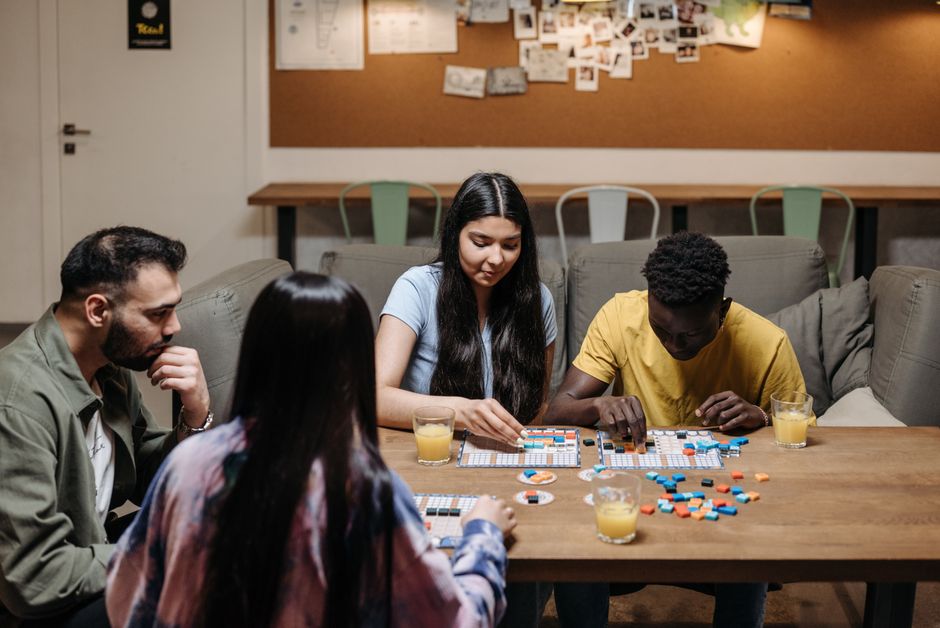
Between rounds is part of the game experience
Online bingo often runs on a schedule. A room may host a series of games at set times, with short gaps for results, ticket purchases, and room announcements. Those gaps are not all alike. One might be a brief reset before the next round; another might be a longer break before a new session starts.
Players need the room to make that difference visible. If a game has just finished, the interface and host should help answer three basic questions:
- What were the results of the game that just ended?
- When does the next game start?
- What do I need to know before joining it?
When those answers are easy to find, a pause feels intentional rather than confusing. Players can decide whether they want to stay, buy into the next round, or leave the room. When the answers are buried or delayed, the same pause can feel like the game has stalled.
Scheduled starts give the room a dependable rhythm
A schedule helps players plan. Someone might arrive shortly before a favorite game, join during a break, or leave after a particular session. Showing upcoming start times gives people a simple way to understand the room’s pace without having to ask the host or guess from the chat.
Useful scheduling information is specific and easy to scan. A room can show the next start time, the name or format of the game, and whether tickets are available. If the schedule changes, that change should be explained rather than silently reflected in a countdown. A visible notice such as “Next round starts at 7:30 p.m.; ticket sales close two minutes before play” tells players more than a timer alone.

Schedules also help rooms distinguish between the end of one round and the start of another. That clear separation is especially valuable for newcomers, who may not yet know whether a game runs continuously or begins at a fixed time. A simple upcoming-games list can show the difference at a glance.
What players need to see Why it helps Next start time Helps players decide whether they have time to join. Game format and pattern Explains what kind of round is coming up. Price and ticket status Lets players make an informed choice before buying. Any change to the schedule Prevents uncertainty when a round is delayed or replaced.Pre-game clarity starts with price, format, and pattern
Before a round begins, players should be able to find the practical details without searching through several screens. Price is an obvious starting point, but it is not the only one. The format and pattern matter too, particularly for players who are new to that room or have joined in the middle of a session.
Show the price before the decision
A player should know what a ticket costs before choosing to buy it. If there are multiple ticket options, the differences should be clear: for example, whether a price covers one ticket or a bundle, and whether the tickets enter the same upcoming round. Clear pricing supports a more comfortable decision and reduces the chance of someone realizing too late that they misunderstood the purchase.
It also helps to state when sales close. “Tickets available” and “tickets available until 7:28” are not quite the same message. A closing time gives players a practical cue, while a last-minute reminder can help those already in the room without pressuring anyone to take part.
Explain the format and winning pattern
Players should be able to see what kind of game is being played and what pattern they are aiming to complete. Depending on the round, that might be a line, a full house, or another room-specific pattern. If the format differs from the room’s usual game, make that difference prominent.
Do not assume that a familiar name tells every player exactly what to expect. A short explanation near the ticket button or game information panel can make a round easier to join. If there are special rules, explain them before the caller starts. The point is not to overload the screen with instructions; it is to put the most important information where players need it.
Results, then schedule: make the transition easy to follow
One practical way to organize the gap is to present results then schedule. First, close out the game that has just finished. Then, show what comes next. This order follows the player’s natural questions and makes it easier to understand that one round is over before another begins.
Results should be timely and legible. Players want to know whether there was a winner, what pattern was completed, and—where relevant—whether a prize was awarded or carried forward. If the room has 90-ball bingo ticket layout a results panel or history, it should be easy to distinguish the latest result from earlier games. A brief host message can reinforce the information, but should not be the only place it appears.
Once the result is settled, the room can shift attention to the schedule. That might be a compact “Up next” card, a countdown, or a host announcement paired with visible game details. The key is a clear separation between the completed round and the next one. Avoid leaving the previous game’s result on screen in a way that makes it seem as though play is still underway.
A useful “up next” message
A strong next game prompt answers the basics without interrupting the room. For example: “Up next at 7:30 p.m.: 90-ball, one line then full house. Tickets cost $1. Sales close at 7:28.” The exact details will differ by room, but the structure is useful: time, format, pattern, price, and any important ticket deadline.
Keep the prompt factual and easy to ignore. Players who want to join can act on it; players who do not can carry on reading, chatting, or leaving. A prompt should clarify an option, not create pressure to take it.
Make waiting feel different from live play
A smooth room has a recognizable transition from waiting to live play. Before the start, the room can show that tickets are open or that the countdown is running. As the start approaches, a brief reminder can help players orient themselves. At the scheduled time, the room should clearly signal that the caller is beginning and that the live round has started.
This transition is especially important for people who have joined with the game already in progress or who are watching while doing something else. If the caller begins without a clear announcement, a player may miss the first numbers. If the room keeps showing a countdown after live play has begun, players may wonder whether the game is delayed.
Good transition cues can include:
- A visible countdown that changes to a “Game starting” or “Live now” state.
- A short host announcement before the first number is called.
- A clear indication that ticket sales have closed.
- A distinct visual layout for the active round and the waiting period.
These cues should work together. A timer is helpful, but it is not a substitute for clear wording. A host message is useful, but it should not be the only clue for a player who has muted the room or is not following chat.
Chat can add company without becoming a requirement
For many players, chat is part of what makes a bingo room feel like a room. People may greet one another, react to a close call, or talk while waiting for the next scheduled start. That social layer can make the gaps feel warmer and less mechanical.
But chat should remain optional. Some players prefer a quiet experience, have chat turned off, or simply want to focus on the game details. Essential information—such as the price, pattern, schedule, and result—should be available in the interface or through clear announcements, not only in the conversation.
Hosts and moderators also help set the tone. They can welcome newcomers, answer practical questions, and gently bring the conversation back to the game when needed. Just as important, they can avoid implying that someone needs to chat to belong. A player should be able to enjoy the room quietly and still understand what is happening.
Moderation matters during the pause
Between rounds, the room may be less focused on calling numbers, so chat can move quickly. A good moderation approach makes room for ordinary conversation while keeping important information visible and addressing disruptive behavior. When a question about the next game comes up, a concise answer can help everyone who is reading—not only the person who asked.
For support issues, the room should also make the handoff clear. A host may not be able to resolve an account or payment question in public chat. In that case, players should be directed to the right support channel, with a simple explanation of what to expect next. This keeps personal details out of the room and avoids leaving someone with the impression that their question has been ignored.
Social sharing should not replace room information
Some players like to share a light moment from a session or tell friends that they are joining a game. References to platforms such as Instagram or a Facebook share option can fit naturally into that wider social experience, provided they stay separate from the information players need to take part.
For example, a room might offer a share link to its schedule or a general invitation to follow a public page for announcements. Any such option should be clearly optional. It should not interrupt the results screen, obscure the next start time, or imply that players need to post or invite others to participate.
Social features also call for sensible privacy choices. Players should be able to decide what they share, and a room should not expose account details, ticket information, or other personal data through a public post. The in-room experience should still make sense for someone who does not use Instagram, Facebook, or any other social platform.
What a thoughtful between-round flow looks like
Put together, a helpful sequence might look like this:
- The round ends, and the room clearly signals that live play has stopped.
- The result appears with the relevant winning information.
- The room shows the next scheduled start, format, pattern, and price.
- Players have time to decide whether to buy a ticket or simply wait.
- A brief countdown or announcement marks the transition to live play.
- The host begins the next round with a clear, consistent cue.
The timing and layout will vary from room to room. A short gap may need only a result and a concise next-game prompt. A longer break might benefit from a fuller schedule panel, a reminder about the next session, or an optional chat moment. What matters is that players can tell where they are in the sequence.
Small details make a room feel well run
Between-round design is not only about countdowns. Consistent wording, readable labels, accessible controls, and a calm tone all affect whether the pause feels organized. A player joining at an unusual time should still be able to work out whether a game is live, upcoming, or already complete.
Rooms can also learn from the questions players repeatedly ask. If people keep asking when the next game starts, the schedule may need to be more prominent. If they often ask what pattern is being played, that information may need to appear closer to the ticket purchase. Repeated questions are useful signals about where the room’s flow is unclear.
Ultimately, the best online bingo rooms do not try to fill every quiet second. They use the moments between rounds to provide clarity, offer a little social company, and give players enough information to choose what happens next. When results, schedule, price, format, and live-play cues are easy to follow, the pause feels like a natural part of the session—not a gap players have to solve for themselves.